Snail Mucin for Dark Spots, Acne Marks and Scars: Does It Help?
Snail mucin is often sold as a dark spot and scar fader, but human evidence is thin. Here is what it may help with, what it won't, and which ingredients to pair it with.
Key takeaways
- There are no good human trials showing snail mucin fades dark spots or scars.
- A lab study found snail slime lowered pigment production in cells, an interesting but early finding.
- It may help red post-acne marks calm down a little faster by soothing skin.
- For brown spots, sunscreen plus proven brighteners like azelaic acid, vitamin C, niacinamide or retinoids do much more.
Scroll through snail mucin reviews and you will see promises of faded acne marks and smoother scars. It is worth slowing down here, because this is where the gap between marketing and evidence is widest.
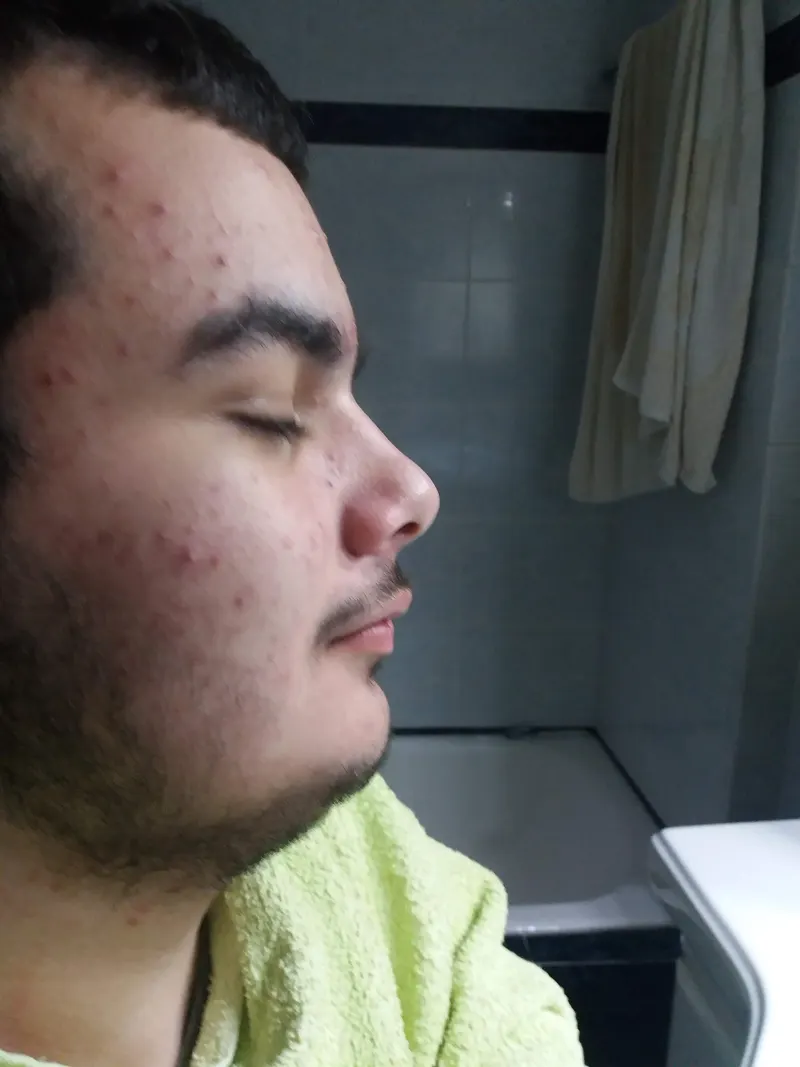
Three different problems people call “scars”
- Red or purple marks (post-inflammatory erythema) left after a spot heals. These fade on their own over weeks to months.
- Brown or dark marks (post-inflammatory hyperpigmentation), more common in medium and deeper skin tones. These can take months to fade, and sun makes them worse.
- Textured or indented scars (atrophic scars, like icepick or boxcar scars). These are changes in the skin’s structure and do not fade with topical products.
What the research says about snail mucin and pigment
The best-known study is in pigment cells grown in a lab:
That is an interesting starting point, but a long way from proof that a serum fades spots on your face. There are no well-designed human trials of snail mucin for hyperpigmentation or acne scars.
Where snail mucin may still help
- Red post-acne marks. These are driven by inflammation. Keeping skin calm and hydrated may help them settle a bit faster.
- Supporting your real treatment. Proven brighteners like retinoids and acids can irritate. Irritation causes more pigmentation, especially in darker skin. A soothing layer helps you stick with them.
- Overall glow. Well-hydrated skin reflects light more evenly, so tone can look more even even if the spots are unchanged.
What actually fades dark spots
The American Academy of Dermatology’s advice on fading dark spots centres on:
- Daily sunscreen, SPF 30 or higher. Without it, nothing else works well.
- Proven brightening ingredients: azelaic acid, vitamin C, niacinamide, retinoids, kojic acid and others.
- Patience. Brown marks often take 3 to 12 months to fade.
For indented scars, talk to a dermatologist about procedures like microneedling, lasers or subcision.
A routine that pairs snail mucin with proven brighteners
- Morning: cleanser → vitamin C serum → snail essence → moisturizer → sunscreen
- Evening: cleanser → azelaic acid or retinoid (alternate nights if needed) → snail essence → moisturizer
See what to mix with snail mucin for the right layering order with vitamin C, acids and retinoids.
Frequently asked questions
Does snail mucin fade hyperpigmentation?
There is no strong human evidence that it does. One lab study found snail slime reduced melanin production in pigment cells, but that has not been shown in people using skincare products.
Does snail mucin help acne scars?
It will not fill indented acne scars. It may help red marks after acne calm down by keeping skin hydrated and soothed. Indented scars respond to procedures like microneedling, lasers or subcision.
Can snail mucin help with stretch marks?
There is no good evidence snail mucin improves stretch marks. Hydration can make skin look smoother, but it will not change established stretch marks.
What should I pair with snail mucin for dark spots?
Daily sunscreen first. Then proven brightening ingredients such as azelaic acid, vitamin C, niacinamide, tranexamic acid or retinoids. Snail mucin can sit alongside them as a soothing hydrator.
Studies cited
- Ellijimi C, Ben Hammouda M, Othman H, et al.. Helix aspersa maxima mucus exhibits antimelanogenic and antitumoral effects against melanoma cells. Biomedicine & Pharmacotherapy. 2018;101:871-880. PubMed ID 29635896.
Update history
- : First published.
We review this guide when new research or product changes come out. Spotted something out of date? Email support@snailmucinspray.com.
This guide is general information, not medical advice. If you have a skin condition, an allergy, are pregnant, or use prescription skincare, check with a dermatologist first.