
What Is Snail Mucin? The Skincare Ingredient Explained Simply
Snail mucin is the filtered slime snails make to protect their skin. Here is what it contains, why it ended up in serums, and what it can realistically do for your face.
20 guides covering everything from what snail mucin is to how to layer it with retinol.
What snail mucin is, where it comes from and how it is made.
Snail mucin is the filtered slime snails make to protect their skin. Here is what it contains, why it ended up in serums, and what it can realistically do for your face.

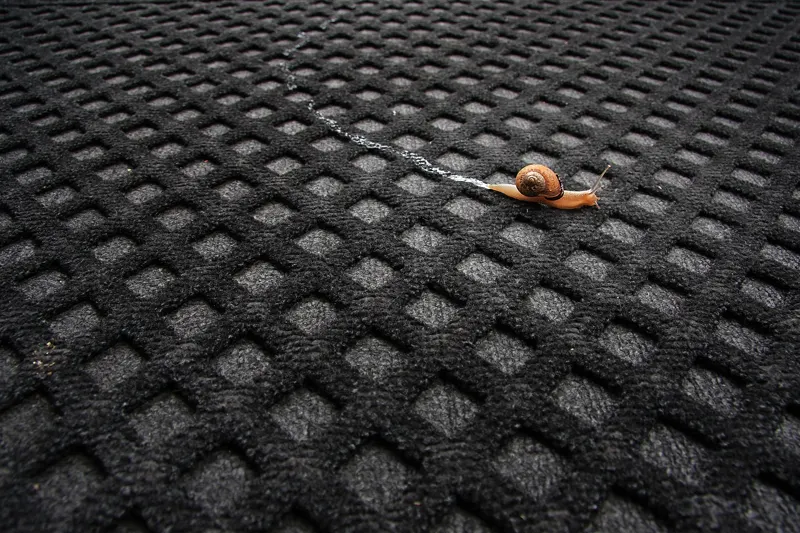
Snail mucin is collected from farmed snails, usually by letting them crawl over mesh in a dark, damp room, then filtered and purified. Here is the full process and what it means for the snails.
What snail mucin can and cannot do for specific skin types and concerns.
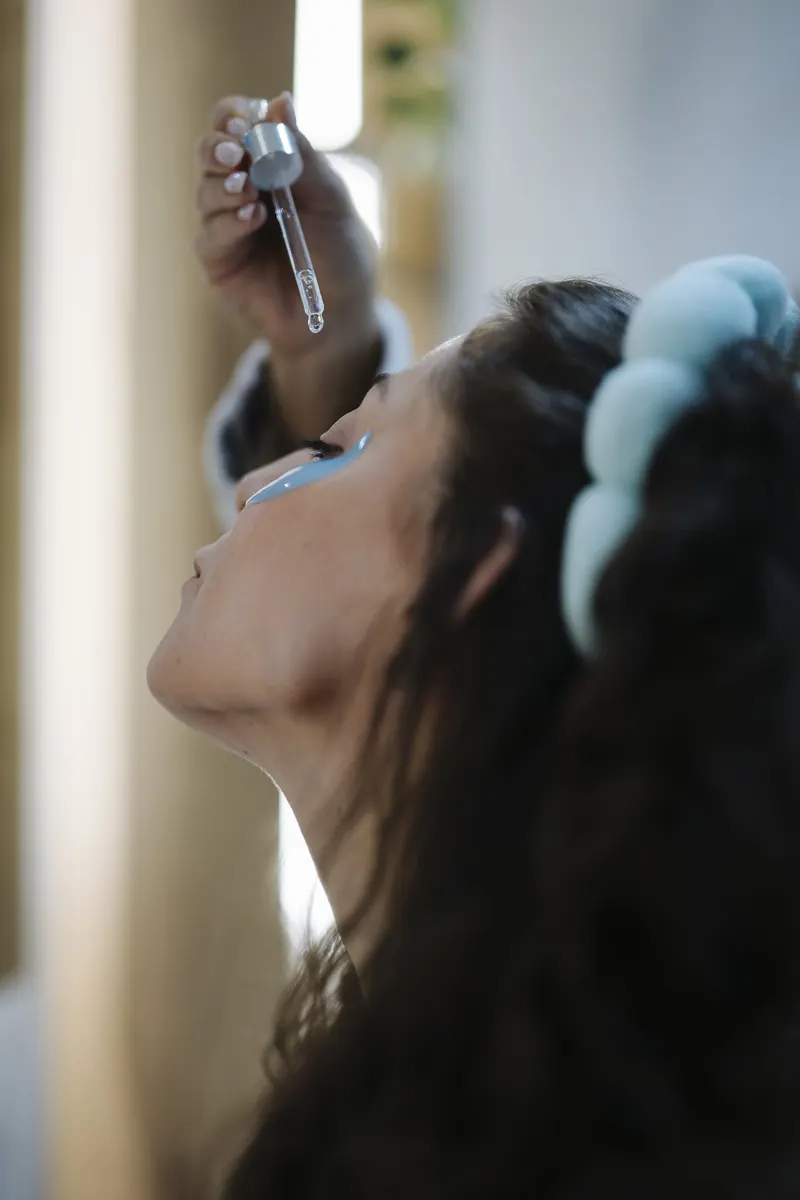
Snail mucin hydrates, soothes and supports the skin barrier, and small studies hint at smoother texture and softer fine lines. Here is each benefit, with how strong the evidence is.

Snail mucin won't cure acne, but it is generally non-clogging and can calm inflamed spots and offset the dryness of acne treatments. Here is how to use it if you are breakout-prone.
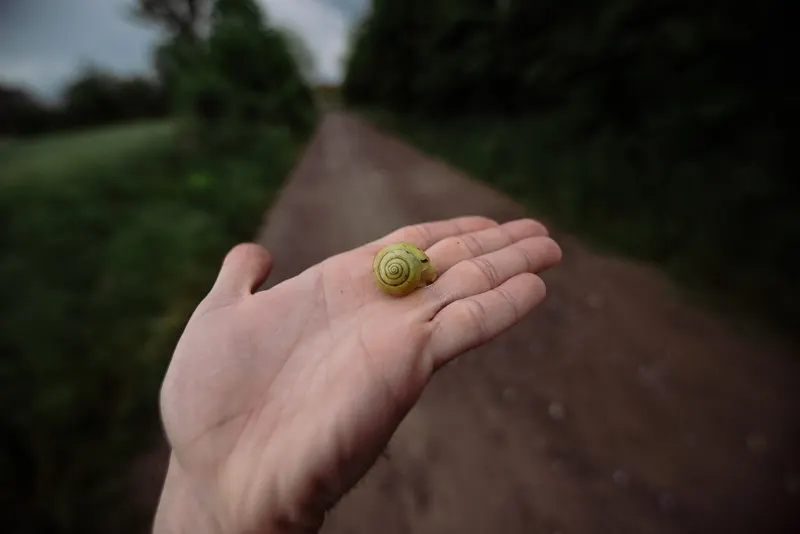
Snail mucin is gentle and soothing, so many people with sensitive skin tolerate it well. Rosacea and eczema need more caution. Here is how to try it safely.
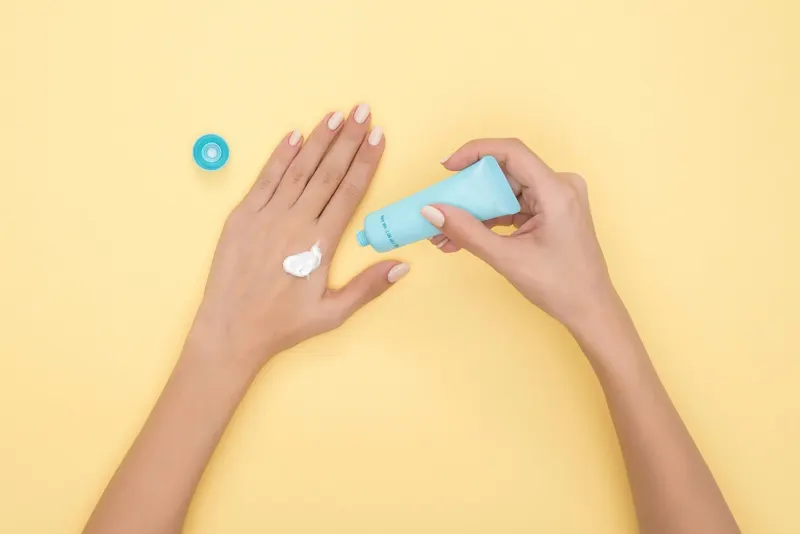
Snail mucin is one of the best-suited ingredients for dry and dehydrated skin. The trick is applying it to damp skin and sealing it in. Here is the routine and what to pair it with.

Two small controlled trials found snail secretion modestly improved fine lines, texture and firmness over 12 weeks. Here is what that means, and how snail mucin fits an anti-aging routine.
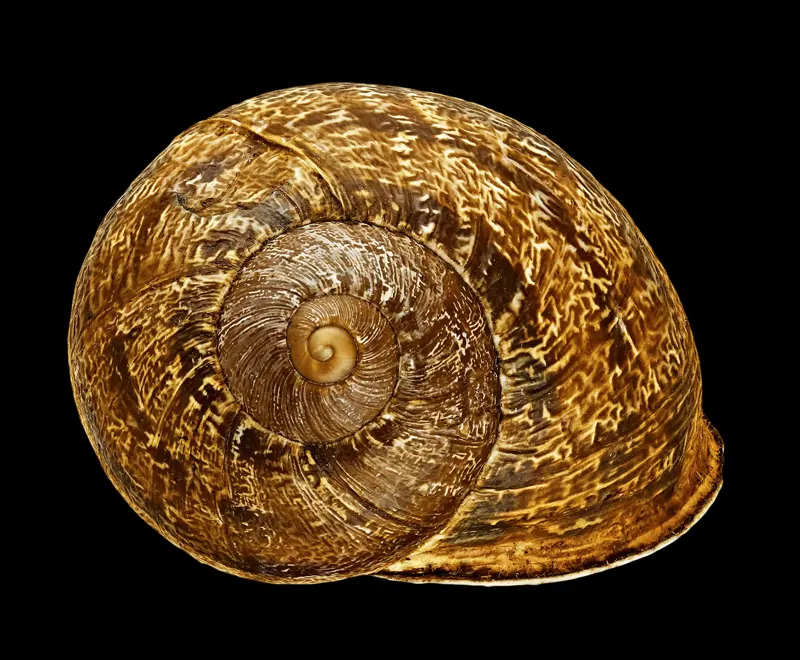
Snail mucin is often sold as a dark spot and scar fader, but human evidence is thin. Here is what it may help with, what it won't, and which ingredients to pair it with.

What results can you actually expect from snail mucin, and when? Here is a realistic timeline from day one to three months, based on the studies, plus how to judge your own results.
Routines, layering, and combining snail mucin with other ingredients.
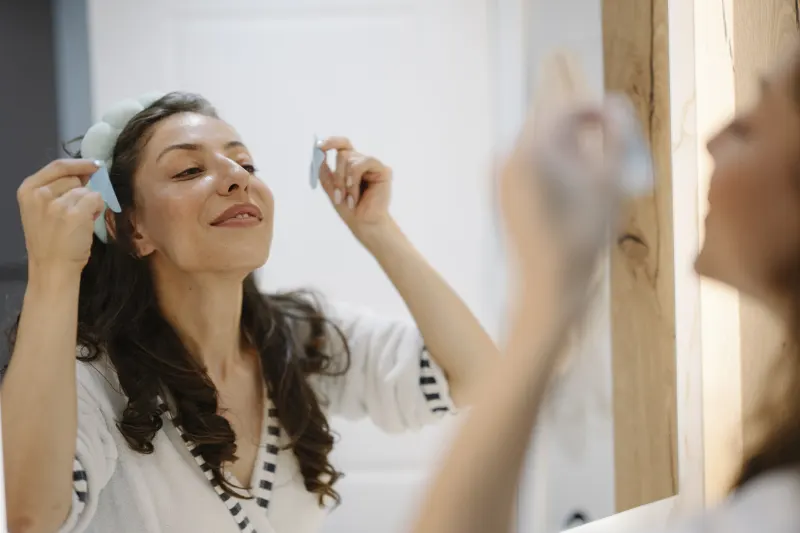
Apply snail mucin after cleansing and toner, on slightly damp skin, and before moisturizer. Here is the full routine for morning and night, how much to use, and common mistakes.
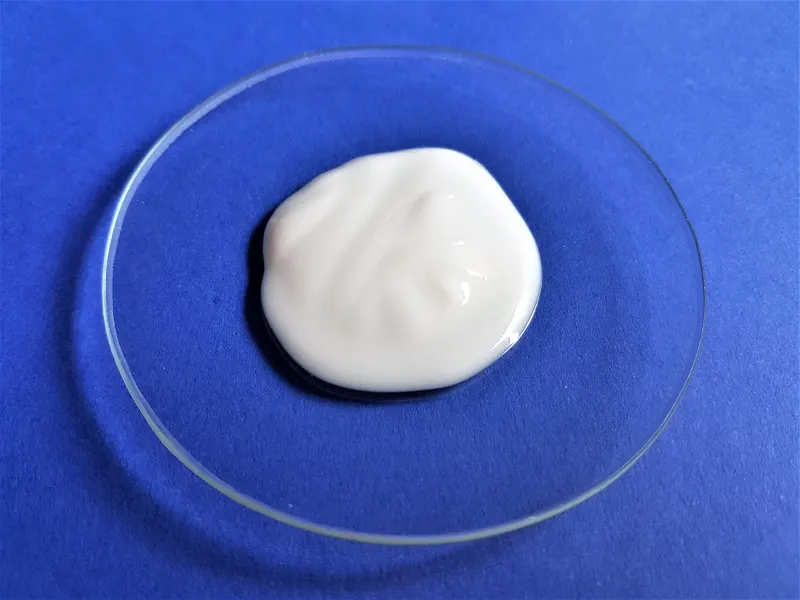
Yes, snail mucin and retinol work well together. Snail mucin helps with retinoid dryness and irritation. Here is the right order, the sandwich method, and tips for tretinoin users.
Hyaluronic acid is a single water-binding molecule. Snail mucin is a complex mix that contains some hyaluronic acid plus soothing and film-forming compounds. Here is how they compare and how to use both.
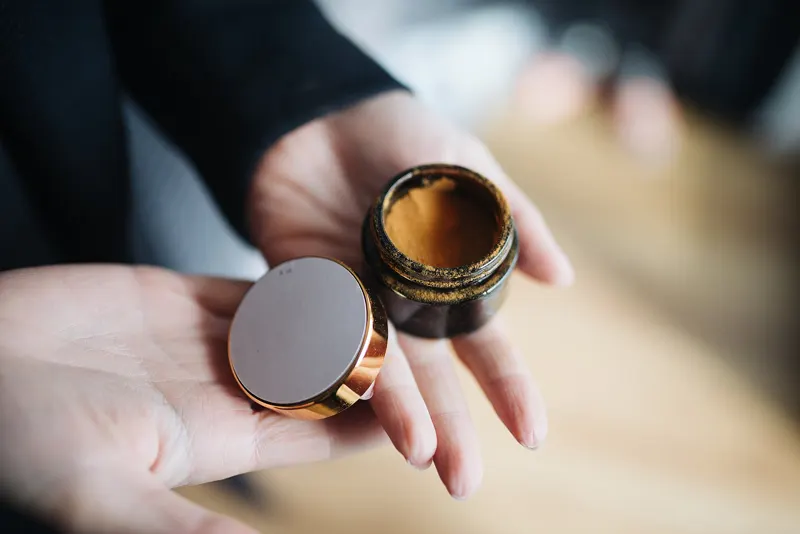
Snail mucin layers well with almost every skincare ingredient, including niacinamide, vitamin C, retinol, AHAs, BHAs and benzoyl peroxide. Here is the right order for each.
Honest, research-backed product guides and comparisons.
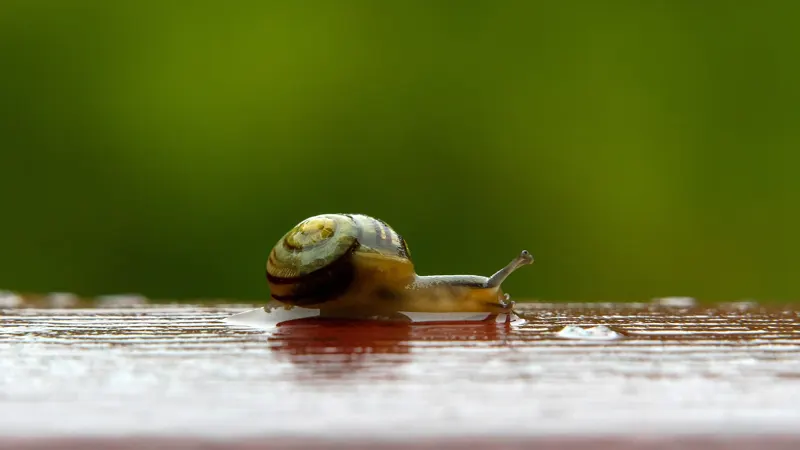
Snail mucin sprays and mists are lighter than essences and handy for top-ups over makeup. Here is how they compare to snail essence, how to use them well, and why you should never DIY one.
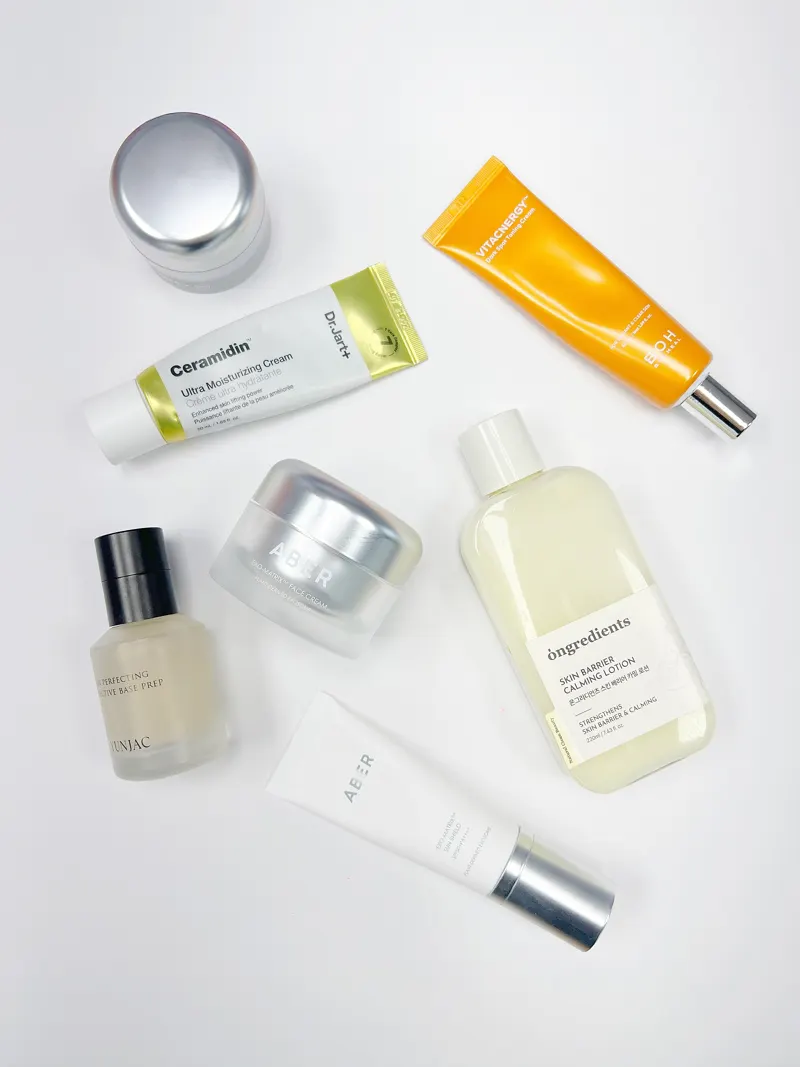
Our shortlist of the best snail mucin products by type and skin concern, chosen from ingredient lists, the research, dermatologist reviews and long-term reputation, plus a vegan alternative.
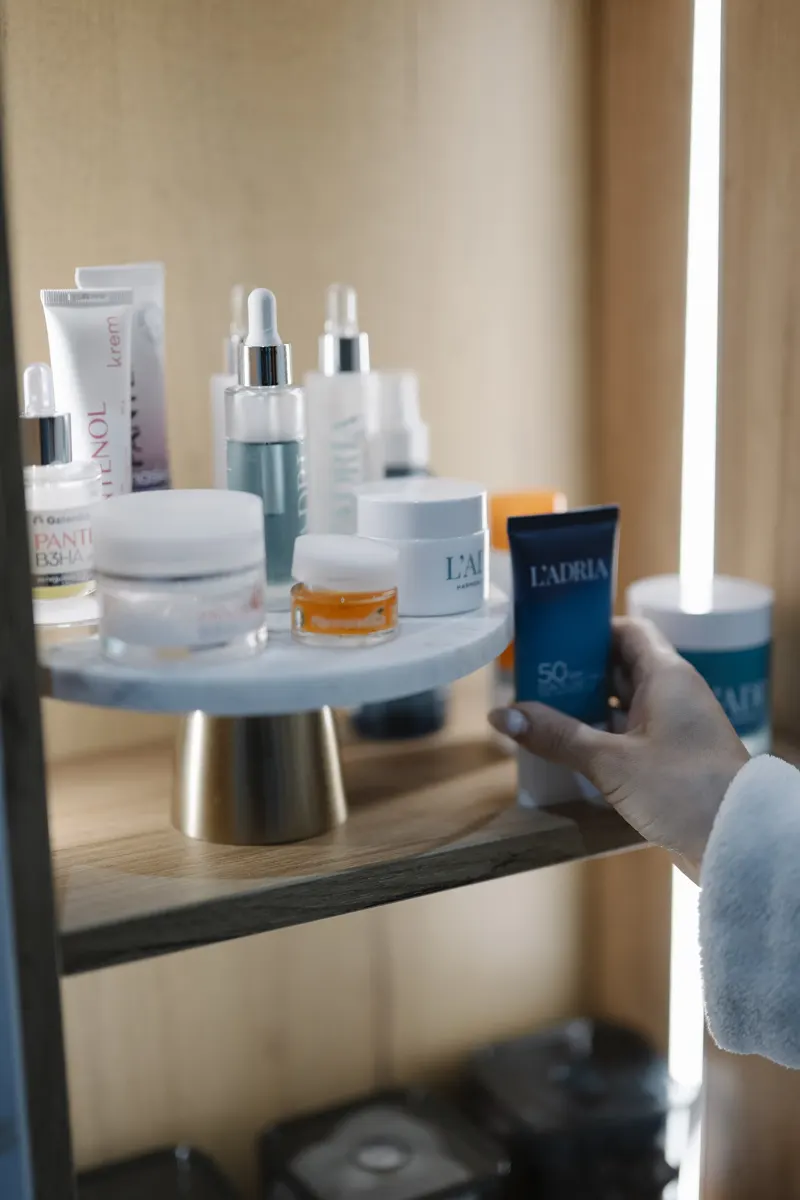
An honest look at the COSRX Advanced Snail 96 Mucin Power Essence: what is in it, who it suits, how to use it, what dermatologists say, and how to avoid counterfeits.
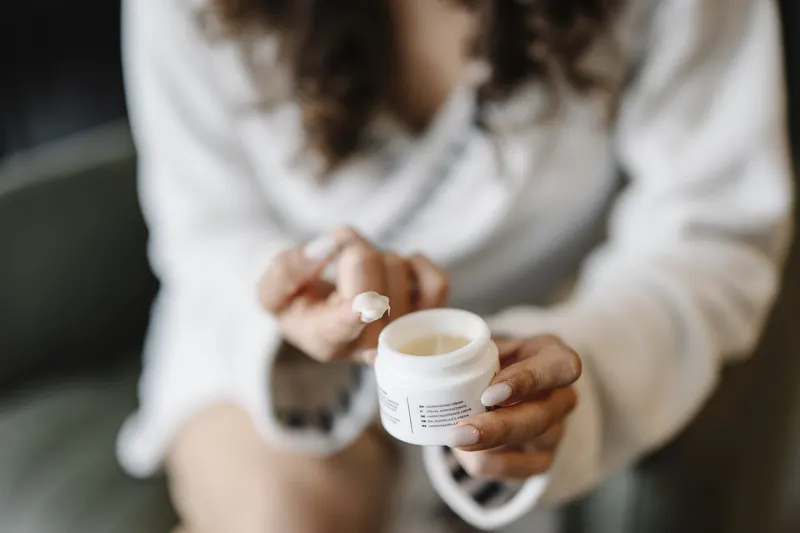
Snail creams combine snail mucin with moisturizing ingredients in one step. Here is how they differ from snail essences, who they suit, how to use them, and popular Korean snail creams.
Studies, side effects, allergies and ethics.
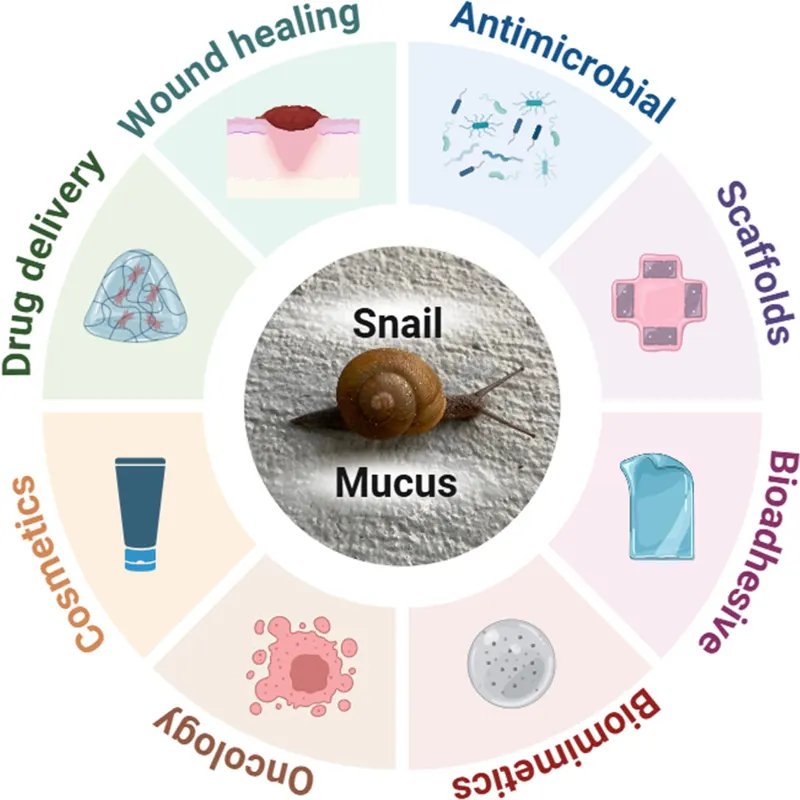
We read the studies on snail mucin so you don't have to. Here is what human trials, lab research and reviews show, how strong that evidence is, and what is still unknown.
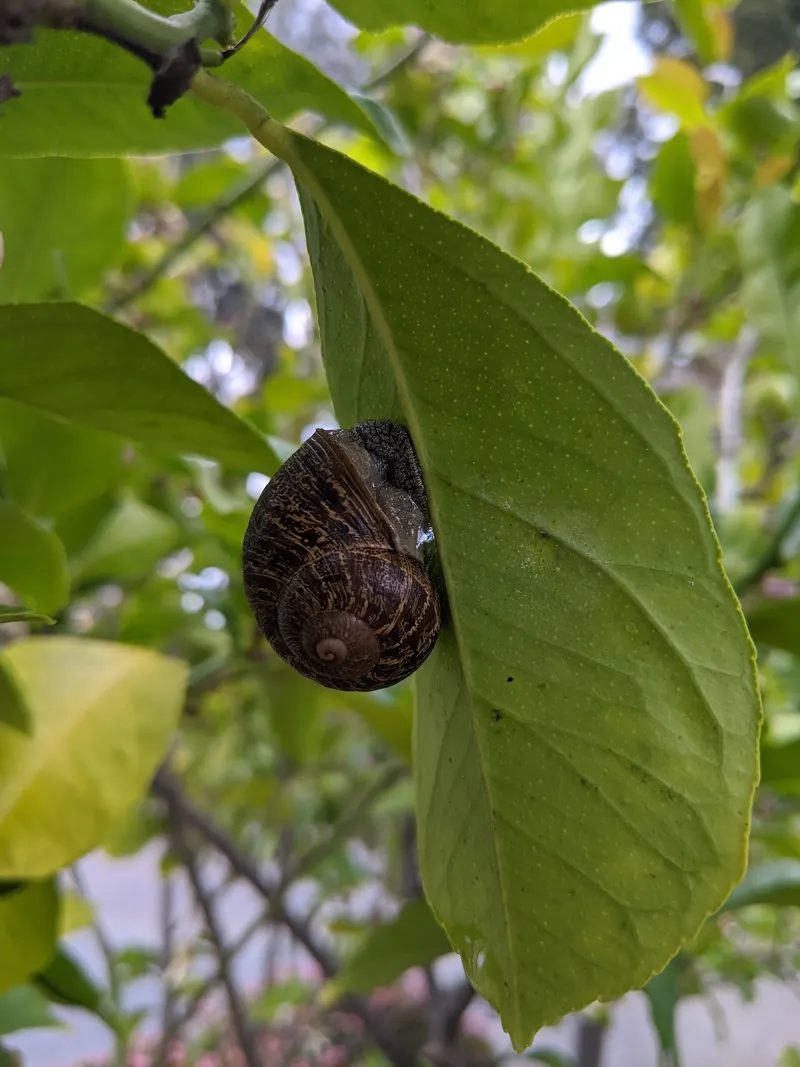
Snail mucin is not vegan, and whether it is ethical depends on how the snails are kept and how the mucus is collected. Here is what to look for, plus plant-based alternatives.

Snail mucin is gentle for most people, but it can cause allergic reactions, especially if you are allergic to dust mites or shellfish, and some formulas break people out. Here is what to watch for.