How Is Snail Mucin Made? From Snail Farm to Serum
Snail mucin is collected from farmed snails, usually by letting them crawl over mesh in a dark, damp room, then filtered and purified. Here is the full process and what it means for the snails.

Key takeaways
- Cosmetic snail mucin comes from farmed snails, mostly the common garden snail.
- Modern collection usually means letting snails crawl over mesh or glass in a dark, humid room, then gathering the mucus they leave behind.
- The raw slime is filtered, purified and preserved before it becomes snail secretion filtrate.
- Snails are not killed for mucin, but older or cheaper methods that use salt, vinegar or electric stimulation stress them. Ask brands how they collect it.
Snail mucin is made by collecting the natural mucus of farmed snails, then filtering and purifying it into a clear, stable liquid that cosmetic labs can add to products. The snails are not killed, but how they are treated depends on who is collecting.
Snail mucin comes from farmed snails, not wild ones
Snail farming, called Snail farming, traditionally for escargot and now also for collecting snail mucin.Glossary →, has existed for centuries to supply escargot. Today some farms specialise in mucin, while others collect mucin as a by-product of raising snails for food.
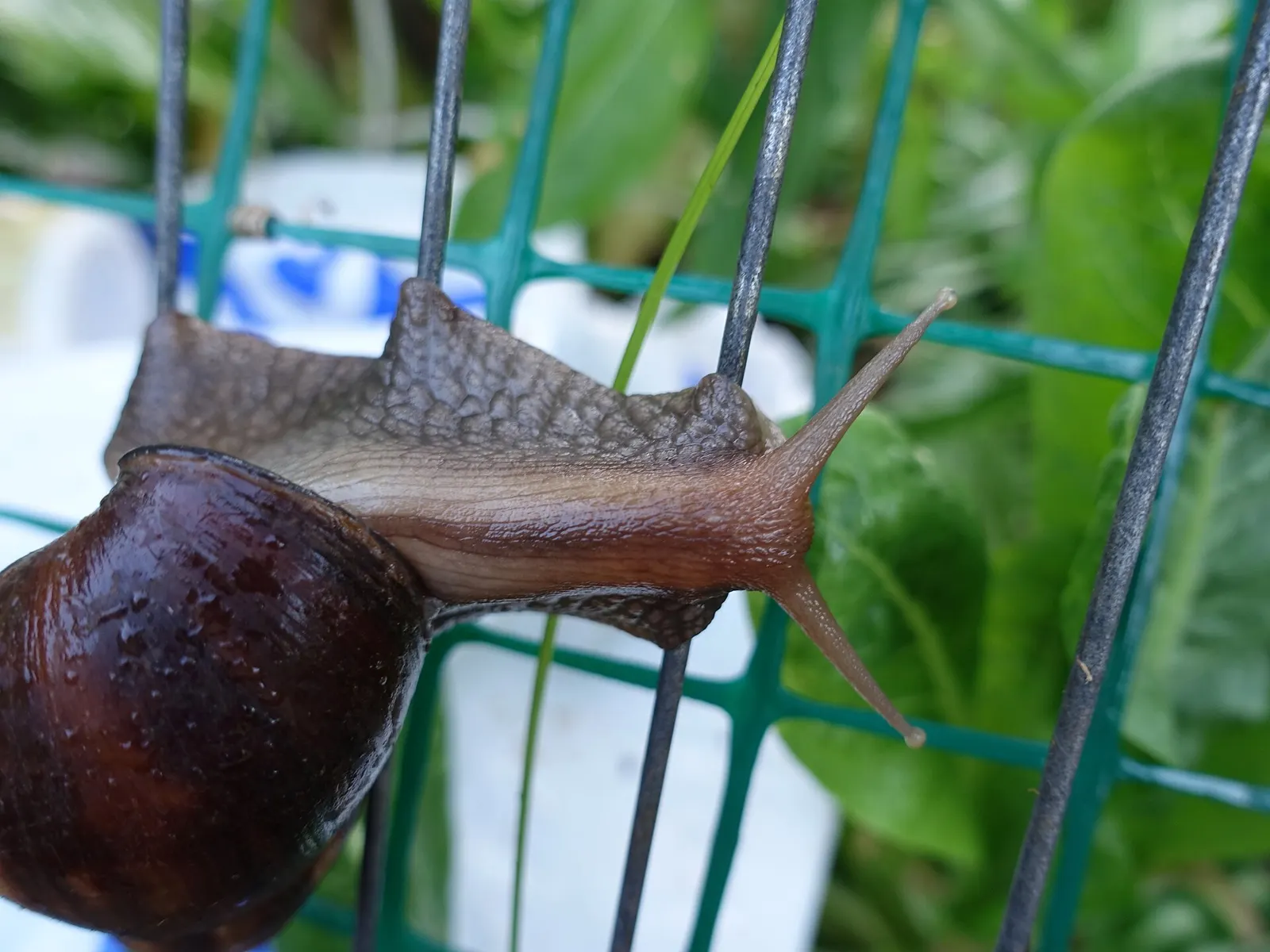
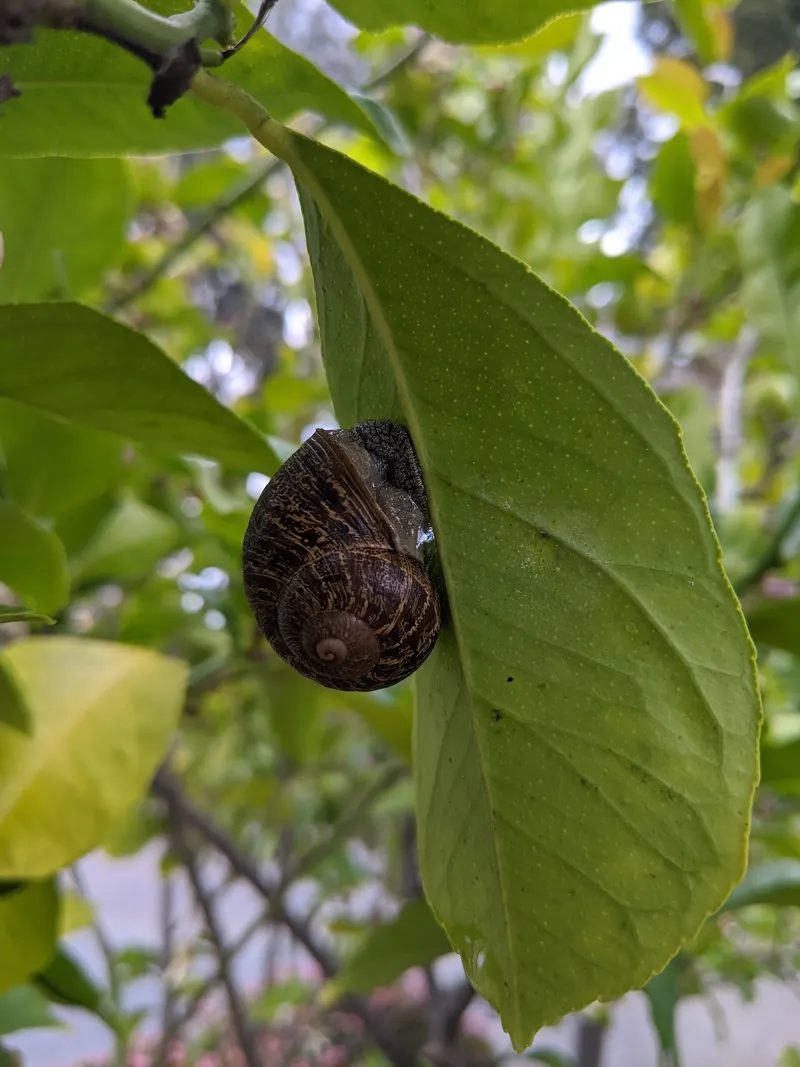
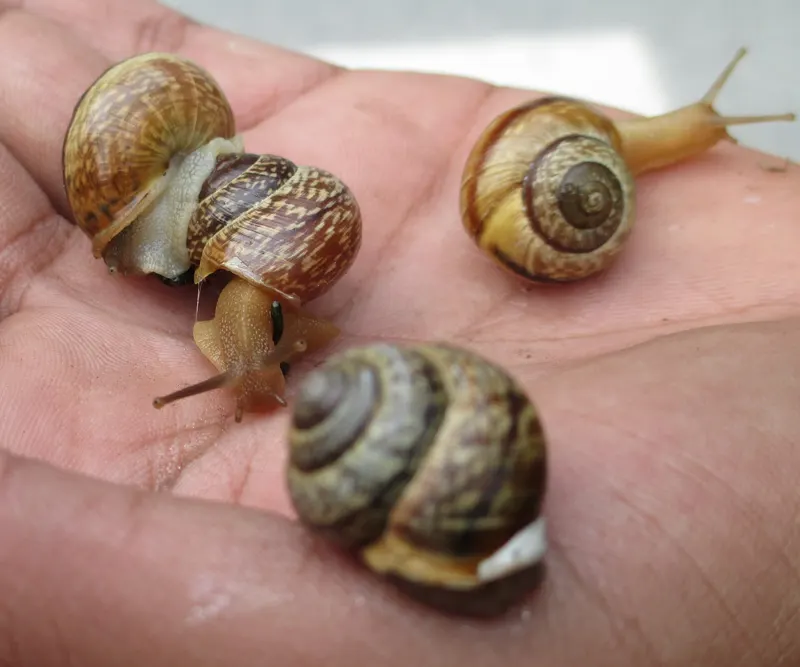
The most common species is the garden snail, Cornu aspersum (formerly Helix aspersa). It breeds easily, tolerates captivity and has been studied extensively. Larger species, like the giant African land snail, produce more mucus per snail. In some regions they are also considered invasive pests, so some farms in Southeast Asia started as a way to make use of them.
Collection usually happens in a dark, humid room
Snails naturally secrete mucus when they move and when they feel threatened. Farms use both responses. The most commonly described methods are:
- Crawl collection. Snails are placed on mesh, nets or glass plates in a dark, quiet, humid room and left to crawl for a short time. The mucus they leave behind is scraped or washed off. Several brands, COSRX among them, describe this kind of low-stress method in their marketing, though few publish detailed welfare standards.
- Misting or gentle stimulation. Light water spray or gentle handling encourages secretion.
- Harsher stimulation. Some operations use salt, vinegar, ozone or low-voltage electric current to trigger a stress response and more mucus. These methods are faster but more stressful, and potentially harmful, for the snails.
The raw slime is filtered, purified and preserved
Raw snail slime contains dirt, waste and bacteria, so it cannot go straight into a serum. Manufacturers typically:
- Filter it several times to remove particles. This is where the name snail secretion filtrate comes from.
- Purify and sterilise it, often using fine filtration and controlled heating or other methods that kill microbes without destroying the active compounds.
- Standardise and preserve it so each batch has similar properties and stays safe once the bottle is opened.
The result is a clear to slightly cloudy, stretchy liquid. Brands then decide how much to use. A product like COSRX Advanced Snail 96 contains 96% snail secretion filtrate, while many creams use much less.
What the process means for the snails
Snails are not killed to make mucin, and many farms keep the same snails for repeated collection. But there are real welfare questions:
- Snails can feel and avoid harmful stimuli, and harsh chemical or electric methods stress them.
- Collecting too often can leave snails depleted, since producing mucus costs them a lot of water and energy.
- Very few brands publish detailed welfare standards, and no single certification covers snail welfare.
If this matters to you, read our guide on whether snail mucin is ethical, which covers cruelty-free claims and vegan alternatives.
Farm-to-bottle quality can vary a lot
Researchers have found that mucus composition varies with species, diet, season and collection method (McDermott et al., 2021Human study A review of what snail mucus is made of, why snails make it, and how researchers hope to use it in medicine and materials.Caveat: Notes that snail mucus varies a lot between species and even between batches.). That helps explain why two products with “snail mucin” on the front can feel and perform very differently. A few practical tips:
- Look for snail secretion filtrate high up the ingredient list if you want a mucin-forward product.
- Buy from authorised sellers. Popular products like the COSRX essence are widely counterfeited. See our COSRX snail mucin review for how to spot fakes.
- Prefer brands that explain their sourcing. Transparency is a good sign.
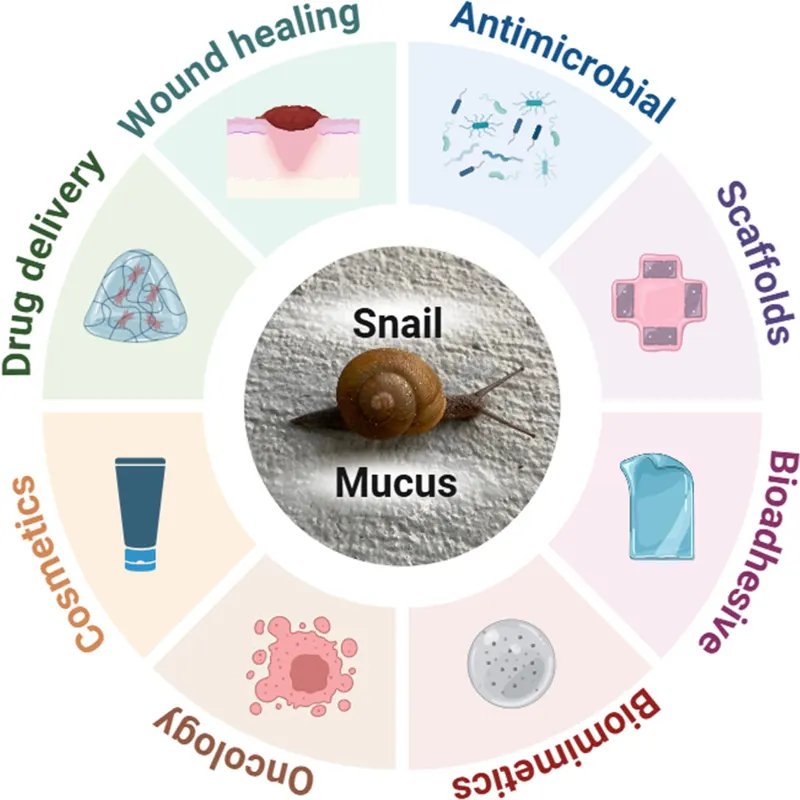
Snail mucin is also being studied as a medical material
The same properties that make snail slime sticky and protective are drawing interest beyond cosmetics. In 2023, researchers in China turned snail mucus into a natural adhesive gel that stuck to wet tissue, stopped bleeding and sped up wound healing in rats (Deng et al., 2023Lab / animal Scientists turned snail mucus into a sticky gel that stuck to wet tissue, stopped bleeding and sped up healing of deep skin wounds in rats, including diabetic rats.Caveat: A medical biomaterial tested in animals, not a skincare product.). It is early work, but it shows why scientists keep coming back to this humble slime. For more, see what the research says about snail mucin.
Frequently asked questions
Are snails killed to make snail mucin?
No. Snail mucin is a secretion, so the snails are kept alive and collected from repeatedly. However, welfare standards vary between suppliers, and some collection methods stress the animals.
How do they get the slime out of snails?
Common methods include letting snails crawl over mesh or glass in a dark, humid space, gentle misting, or mild stimulation. Harsher methods use salt, vinegar or low electric current to trigger more secretion.
What species of snail is used for snail mucin?
Mostly the common garden snail, Cornu aspersum (also called Helix aspersa), including its farmed large form. Some brands use the giant African land snail or other species.
Where is snail mucin produced?
Snail farms supplying cosmetic mucin operate in South Korea, China, Thailand, Chile, Italy, Spain and several other countries. Many brands do not publish exactly where theirs comes from.
Studies cited
- McDermott M, Cerullo AR, Parziale J, et al.. Advancing Discovery of Snail Mucins Function and Application. Frontiers in Bioengineering and Biotechnology. 2021;9:734023. PubMed ID 34708024.
- Deng T, Gao D, Song X, et al.. A natural biological adhesive from snail mucus for wound repair. Nature Communications. 2023;14:396. PubMed ID 36693849.
Update history
- : First published.
We review this guide when new research or product changes come out. Spotted something out of date? Email support@snailmucinspray.com.
This guide is general information, not medical advice. If you have a skin condition, an allergy, are pregnant, or use prescription skincare, check with a dermatologist first.