Is Snail Mucin Ethical, Cruelty-Free or Vegan?
Snail mucin is not vegan, and whether it is ethical depends on how the snails are kept and how the mucus is collected. Here is what to look for, plus plant-based alternatives.
Key takeaways
- Snail mucin is an animal-derived ingredient, so it is never vegan.
- Snails are not killed to collect it, but welfare depends on the supplier. Salt, vinegar or electric methods stress the animals.
- A brand can be 'cruelty-free' (no animal testing) and still use snail mucin. These are different things.
- Plant-based phyto-mucin serums offer a similar texture and hydration without snails.
Snail mucin raises fair ethical questions. It comes from living animals, the industry is lightly regulated, and very few brands explain how their snails are treated. The good news is that collecting mucin does not require killing snails, and there are genuinely good plant-based alternatives if you would rather skip it.
Snail mucin is not vegan
Because it comes from snails, snail mucin is an animal-derived ingredient, the same way honey, beeswax and lanolin are. A product containing snail secretion filtrate cannot be vegan, even if the rest of the formula is plant-based.
“Cruelty-free” and “snail-friendly” mean different things
This is the most common point of confusion.
- Cruelty-free labels, such as Leaping Bunny, certify that a product and its ingredients were not tested on animals.
- They do not certify how animals used as a source of ingredients are kept.
So a brand can honestly call itself cruelty-free while using snail mucin. Whether the snails were well treated is a separate question that currently has no dedicated certification.
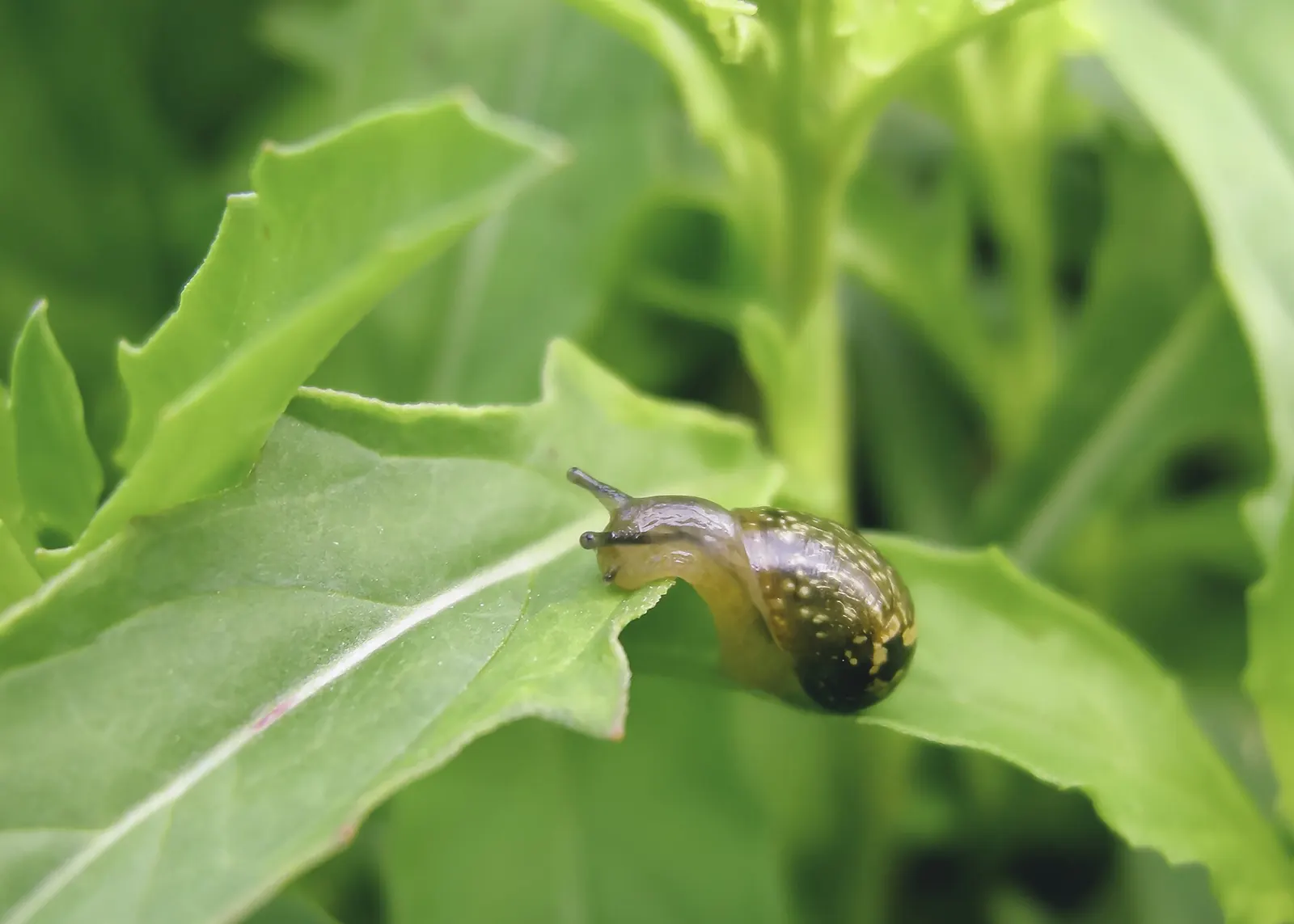
How collection methods affect snail welfare
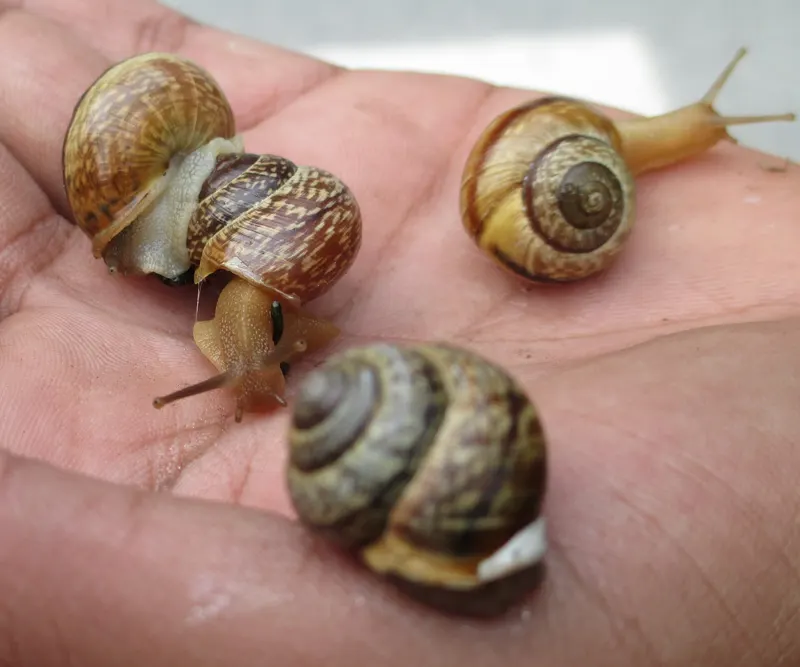
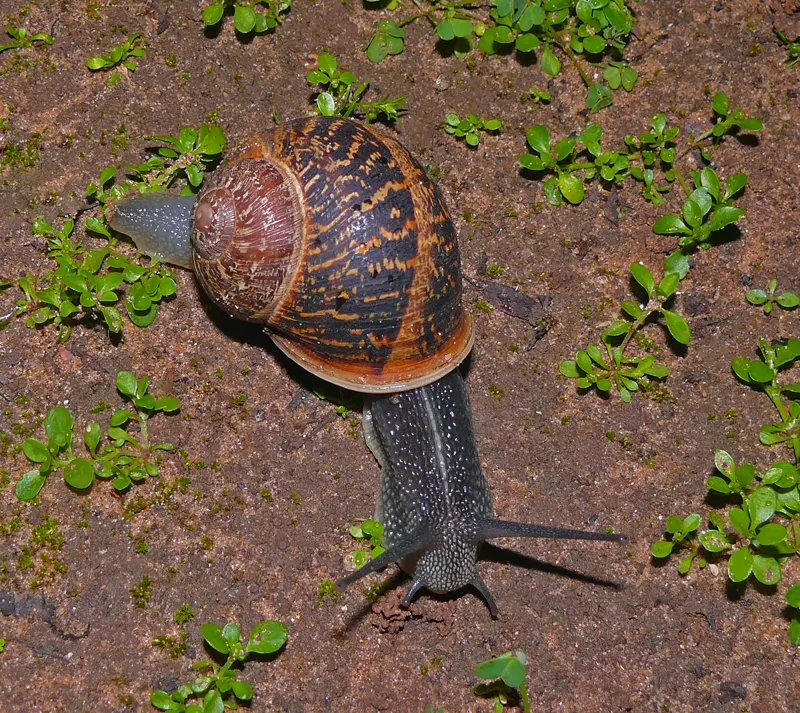
Snails secrete mucus naturally as they move and more of it when stressed. Collection methods range from gentle to harsh:
- Lower stress: snails crawl freely over mesh or glass in a dark, quiet, humid room, then return to their enclosure. Mucus is gathered from the surface.
- Moderate: misting, handling or light stimulation to encourage secretion.
- Higher stress: salt, vinegar, ozone or electric current used to trigger a defensive flood of mucus.
Producing mucus costs snails water and energy, so collecting too often can also leave them depleted. Read the full process in how snail mucin is made.
How to choose more ethical snail mucin
If you want to keep using snail mucin, a few habits help:
- Look for transparency. Brands that explain their sourcing and collection method are more likely to have something good to say.
- Ask directly. Email the brand and ask how snails are kept, how often they are collected and whether salt or electric stimulation is used.
- Check cruelty-free status separately with a certifier’s database, since policies and ownership change.
- Buy less, use it up. One essence used consistently does more for your skin than a shelf of half-used jars.
Vegan alternatives to snail mucin
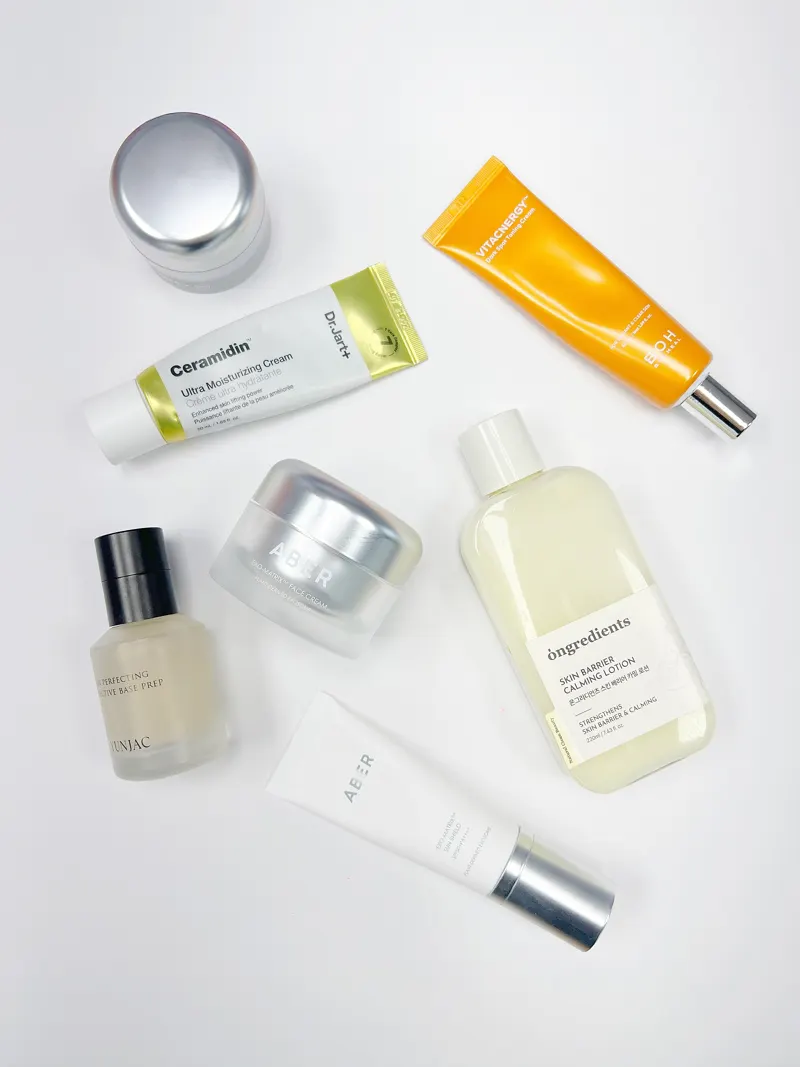
If you would rather avoid animal ingredients, several brands make plant-based serums that mimic snail mucin’s stretchy texture and hydrating feel. These are often marketed as A plant-based alternative to snail mucin, usually made from plant gums and humectants to mimic its stretchy texture and hydration.Glossary →, and typically rely on ingredients like:
- Hyaluronic acid and other humectants such as glycerin
- Plant gums and polysaccharides (for example from tremella mushroom, okra or aloe)
- Soothing ingredients like panthenol, allantoin (usually made synthetically) and centella
Popular vegan alternative
BYOMA Phyto-Mucin Glow Serum
- Type
- Serum (vegan alternative)
- Key fact
- Plant-based mucin alternative, no snail ingredients
- Best for
- Vegans or anyone avoiding animal ingredients
- Texture
- Stretchy gel
Dermatologist Dr. Dray compared BYOMA’s Phyto-Mucin serum to COSRX’s snail essence in the video below.
Do they work the same? Not exactly. Snail mucin is a complex natural mix, and plant alternatives are designed formulas. For hydration and comfort, many people find them very similar. For the modest anti-aging effects seen in snail studies, there is no direct comparison yet.
Our take
Using snail mucin is a personal choice. If you use it, favour brands that are open about how they collect it. If you would rather not, a well-made plant-based hydrating serum will give you most of the day-to-day benefits. Either way, see our best snail mucin products for options in both camps.
Frequently asked questions
Is snail mucin vegan?
No. Snail mucin comes from snails, so it is an animal product by definition. Vegan alternatives use plant-based ingredients designed to mimic its texture and hydration.
Is snail mucin cruelty-free?
It can be, in the sense that some brands that use snail mucin do not test on animals. But cruelty-free labels refer to animal testing, not to how the snails used for the ingredient are treated.
Does collecting snail mucin hurt snails?
Gentle methods, like letting snails crawl over mesh in a dark, humid space, appear low-stress. Methods using salt, vinegar or electric current cause a stress response and can harm them.
Is COSRX snail mucin cruelty-free?
COSRX says it does not test on animals and describes a low-stress collection method. Certification status can change, so check the brand's current statement and certifier databases such as Leaping Bunny before buying.
Is snail mucin halal?
Opinions differ between scholars and certifiers. Some snail mucin products carry halal certification. If this matters to you, look for a recognised halal certification on the specific product.
Update history
- : First published.
We review this guide when new research or product changes come out. Spotted something out of date? Email support@snailmucinspray.com.
This guide is general information, not medical advice. If you have a skin condition, an allergy, are pregnant, or use prescription skincare, check with a dermatologist first.